
Patient
HCP
Contact
EN
Menu
Patient
HCP
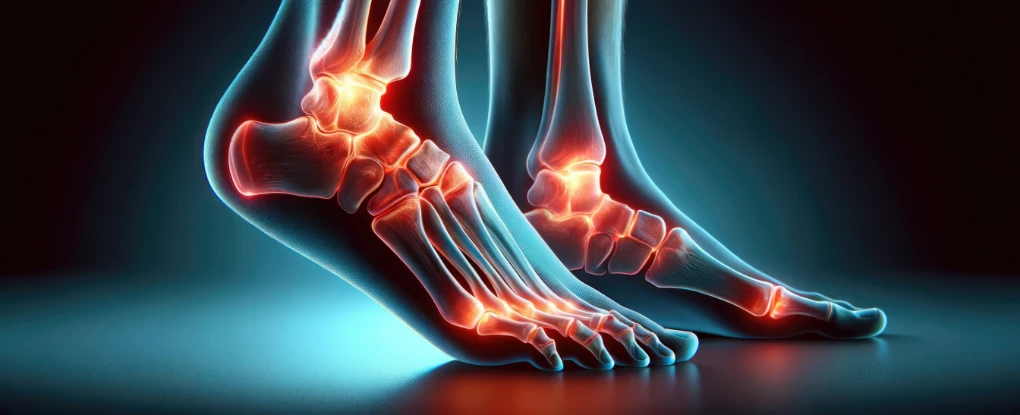
In addition to medical treatment, there are several self-care strategies for your patients that can help manage and prevent gout attacks. Here are some tips for managing gout:
Drinking plenty of water and other fluids can help flush excess uric acid from the body, reducing the risk of gout attacks.
Being overweight or obese can increase the risk of gout, so maintaining a healthy weight through diet and exercise can help reduce the risk of gout attacks.
Alcohol can increase uric acid levels in the blood, so limiting alcohol consumption or avoiding it altogether can help prevent gout attacks.
Foods that are high in purines, such as organ meats, shellfish, and red meat, can increase uric acid levels in the blood. Limiting or avoiding these foods can help reduce the risk of gout attacks.
Low-fat dairy products, such as milk and yogurt, can help reduce the risk of gout attacks.
Applying ice to the affected joint can help reduce pain and inflammation during acute gout attacks.
Resting and elevating the affected joint can help reduce pain and inflammation during acute gout attacks.
Cherry juice or extract may help reduce the risk of gout attacks, as cherries have anti-inflammatory properties.
Vitamin C supplements may help reduce uric acid levels in the blood and reduce the risk of gout attacks.

Stay
hydrated

Maintain a
healthy weight

Limit alcohol
consumption

Avoid purine-
rich foods

Consume low-fat
dairy products

Apply ice to
the affected joint

Rest and elevate
the affected joint

Try cherry juice
or extract

Consider taking
vitamin C supplements1
Pharmaselect International Beteiligungs GmbH
e-mail: office@pharmaselect.com
Phone: +43 1 786 03 86-0
COLGN-638-01-2412-08